MEDITATION
Meditation is an ancient practice that has been around for thousands of years. It is increasingly recognized as a powerful tool for enhancing mental, emotional, and physical health. It can be practiced for spiritual growth, stress reduction or self-awareness. It’s clear that meditation has the potential to create profound changes in one’s well-being so it isn’t surprising that its popularity is growing every day.
What is meditation?
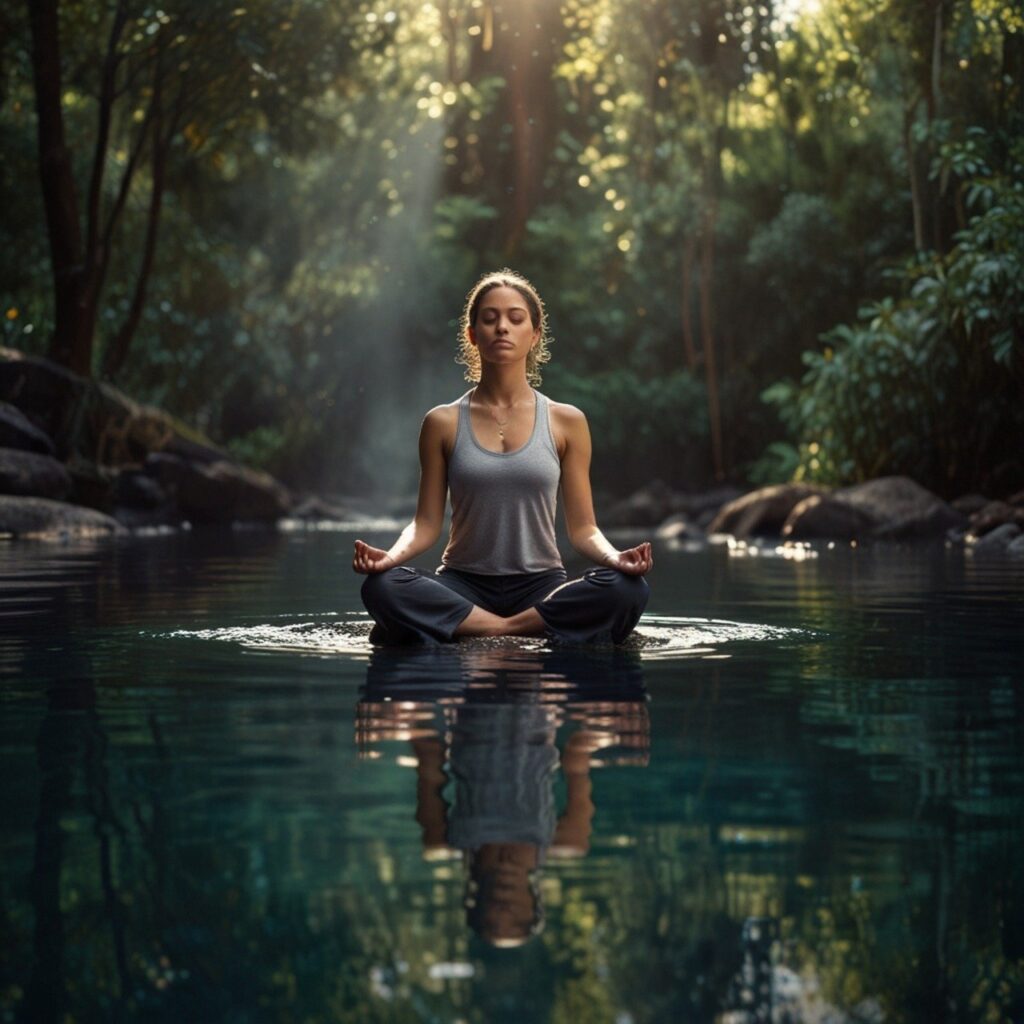
Meditation is the practice of focusing the mind and eliminating distractions to achieve a heightened state of awareness and deep relaxation. It often involves sitting quietly, closing your eyes, and concentrating on your breath, a mantra, or an image. However, meditation is not confined to a specific technique or method. There are many forms of meditation and each of them offers unique approaches and benefits.
The goal of this practice is to quiet the mental chatter and cultivate a sense of presence and inner peace. With regular practice, it can help you become more aware of your thoughts and emotions, allowing you to respond thoughtfully to life’s challenges rather than reacting impulsively. Listen to relaxing music while meditating could also be a good step towards calmness ald relaxation.
The benefits of meditation
Meditation has a wide range of benefits for the body, mind, and spirit. By taking time each day to meditate, individuals can experience improved physical health, better emotional regulation, and enhanced overall well-being. Here are some of the key benefits:
1. Reducing stress and anxiety
One of the most well-known benefits is its ability to reduce stress and anxiety. When you meditate, your body enters a state of relaxation, which helps reduce the production of stress hormones like cortisol. As a result, you feel calmer and more grounded. Meditation allows you to step back from the daily pressures of life and shift your focus to the present moment, rather than worrying about the future or dwelling on the past.
Mindfulness meditation is especially effective at reducing anxiety. This type of meditation encourages awareness of your thoughts and feelings without judgment, which can help you better manage anxiety and avoid negative thought patterns.
2. Improving mental clarity and focus
Meditation trains the mind to stay present and focused, which can significantly improve mental clarity and concentration. By practicing meditation regularly, you can enhance your ability to focus on tasks without getting distracted. It also improves cognitive function and memory, making it easier to retain information and think clearly.
Studies have shown that meditation can even increase the thickness of the prefrontal cortex, the part of the brain responsible for executive functions like decision-making, problem-solving, and attention. This may explain why many people who meditate report feeling more mentally sharp and alert.
3. Enhancing emotional well-being
Meditation is a powerful tool for emotional regulation. It helps individuals become more in tune with their feelings, making it easier to process emotions in a healthy and constructive way. Instead of reacting impulsively to strong emotions, it allows you to respond with calm and clarity. As a result, many people who meditate report experiencing greater emotional balance and resilience.
4. Improving sleep quality
Meditation can significantly improve the quality of your sleep. The relaxation response triggered by meditation helps calm the nervous system, making it easier to fall asleep and stay asleep. Meditation practices, such as deep breathing and progressive muscle relaxation, can promote a state of relaxation that is conducive to restful sleep.
Mindfulness is particularly helpful for those who struggle with insomnia, as it encourages you to release the thoughts and worries that keep you awake at night. Regular meditation practice can help retrain your body and mind to associate bedtime with relaxation rather than stress or anxiety.
5. Boosting immune function
Meditation has been shown to have positive effects on the immune system. Studies suggest that people who meditate regularly have stronger immune responses, which can help the body fight off illness and disease. Meditation is believed to enhance immune function by reducing stress, which, when left unchecked, can weaken the immune system and increase vulnerability to illness.The relaxation response associated with meditation also supports the body’s ability to heal itself.
6. Promoting self-awareness and personal growth
Meditation encourages self-reflection, helping you become more aware of your thoughts, emotions, and behaviors. This self-awareness can lead to greater personal growth. It allows you to identify patterns in your thinking and behavior that may be limiting or unproductive. Through meditation, you can learn to cultivate more positive and empowering thoughts, while letting go of negative self-talk or limiting beliefs.
It provides a path to deeper insight and connection to the self. Many people use meditation to connect with their higher consciousness, deepen their understanding of life’s purpose, or find peace within themselves.
7. Increasing creativity
Meditation has been linked to enhanced creativity and problem-solving abilities. The process of clearing the mind and focusing on the present moment can open up new pathways for creative thinking and inspiration. Many individuals find that after meditating, they are able to approach problems from a fresh perspective and come up with innovative solutions. By quieting mental distractions and tapping into a deeper state of consciousness, it can help unlock creative potential that may otherwise be hidden.
How to get started?
- Begin with just 5–10 minutes of meditation each day. As you become more comfortable, you can gradually extend the time.
- Choose a peaceful environment where you can sit comfortably without distractions.
- Close your eyes, take deep breaths, and focus your attention on your inhales and exhales. If your mind wanders, gently bring it back to your breath.
- If you’re a beginner, consider using a guided meditation app or video to help you get started.
- Meditation is a practice, and it’s normal for your mind to wander. The key is to remain patient and non-judgmental with yourself as you build your practice.
Meditation tips for beginners
1. Start with Short Sessions As a beginner, it’s important to keep your meditation sessions short. Start with just 5–10 minutes each day. This will help you build the habit without feeling overwhelmed. Gradually increase the time as you get more comfortable.
2. Find a Quiet Space Choose a peaceful environment where you won’t be disturbed. Whether it’s a quiet corner in your home or a serene outdoor spot, finding a distraction-free zone will help you focus better during your practice.
3. Get Comfortable Sit or lie down in a comfortable position. You don’t need to sit cross-legged on the floor; you can meditate in a chair, on a cushion, or even lying down. The key is to relax while maintaining good posture to allow for deep, mindful breathing.
4. Focus on Your Breath The breath is the foundation of most meditation practices. Focus on your inhales and exhales, paying attention to the sensations in your body as you breathe. If your mind starts to wander, gently bring your focus back to your breath.
5. Be Kind to Yourself Meditation is a skill that takes time to develop. Don’t be hard on yourself if your mind wanders or if you feel restless. With practice, your ability to concentrate will improve.
6. Consistency is Key Try to meditate at the same time every day. Consistency helps form a habit, and over time, you’ll begin to experience the many benefits of meditation, such as reduced stress, improved focus, and enhanced emotional well-being.
By following these simple meditation tips for beginners, you can create a fulfilling practice that promotes peace of mind and emotional balance.
Conclusion
Meditation is a powerful and transformative practice that offers a wide range of physical, emotional, and mental benefits. By taking time each day to meditate, individuals can reduce stress, enhance focus, improve emotional well-being, and foster a deeper sense of self-awareness. Whether you are seeking relaxation, personal growth, or spiritual insight it provides a pathway to greater peace and balance in your life. With regular practice it can become a cornerstone of a healthy, fulfilling lifestyle.