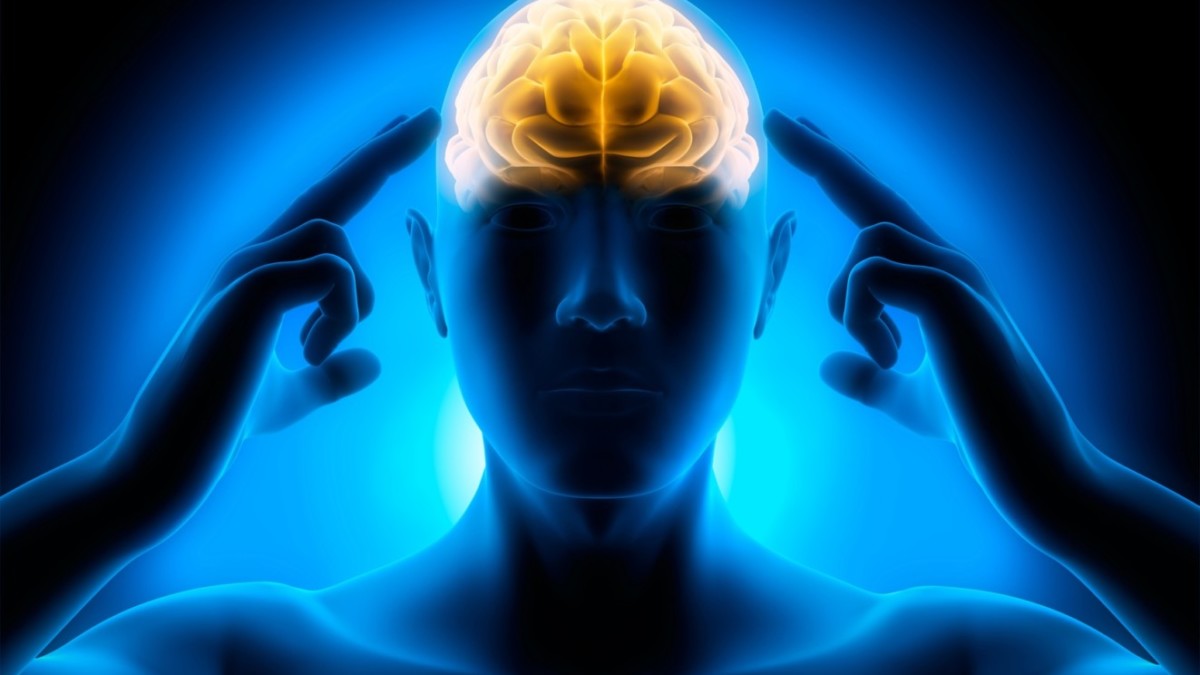
NEUROPLASTICITY
Neuroplasticity is the brain’s ability to reorganize itself by forming new neural connections. This process occurs in response to learning, experience, and environmental changes. While the concept of neuroplasticity has gained prominence in recent years, its roots trace back to the early 20th century when neuroscientists began to recognize the brain’s capacity for change.
Mechanisms of Neuroplasticity
- Synaptic Plasticity: At the core of neuroplasticity lies the phenomenon of synaptic plasticity, which involves the strengthening or weakening of synaptic connections between neurons. This process is crucial for learning and memory formation. Long-Term Potentiation (LTP) and Long-Term Depression (LTD) are two key mechanisms governing synaptic plasticity.
- Structural Plasticity: Beyond synaptic changes, structural alterations in the brain contribute to neuroplasticity. This involves the growth of new dendrites, the branching extensions of neurons, and the formation of new synapses. Structural changes can occur in various brain regions, allowing for adaptation to new experiences.
Types of Neuroplasticity:
- Experience-Dependent Plasticity: This form of neuroplasticity occurs as a result of individual experiences and environmental stimuli. For instance, the brain of a musician may undergo changes in response to prolonged practice, enhancing areas related to auditory processing and motor skills.
- Developmental Plasticity: During early development, the brain exhibits a heightened degree of plasticity. It allows the formation of specific neural circuits based on genetic factors and environmental influences. However, developmental plasticity persists to some extent throughout life.
Implications for Learning and Rehabilitation:
- Learning and Memory: Neuroplasticity is fundamental to the processes of learning and memory. As individuals acquire new skills or knowledge, the brain undergoes structural and functional changes to support these cognitive abilities.
- Rehabilitation after Injury: It plays a pivotal role in rehabilitation following brain injuries. The brain can reorganize itself to compensate for damage, with intact regions taking on new functions. This adaptability is harnessed in therapeutic interventions for conditions like stroke or traumatic brain injury.
Harnessing Neuroplasticity for Cognitive Enhancement
Researchers and clinicians are exploring ways to leverage neuroplasticity for cognitive enhancement. Brain-training exercises, environmental enrichment, and certain pharmacological interventions are being studied to promote positive changes in neural circuits, potentially enhancing cognitive abilities in both healthy individuals and those with neurological disorders.
Conclusion
Neuroplasticity unravels the dynamic nature of the brain, showcasing its remarkable ability to adapt and evolve. This ongoing research opens new avenues for understanding and harnessing the brain’s potential, holding promise for innovative interventions in education, rehabilitation, and cognitive enhancement. Embracing the concept of neuroplasticity not only transforms our understanding of the brain but also underscores the importance of lifelong learning and environmental enrichment for maintaining cognitive vitality.